
Community-led violence prevention in Kakuma
Women who learn to protect themselves become the ones who teach others
EmpowerVan Kenya
Context
EmpowerVan transfers the knowledge, skills and leadership needed for violence prevention into the community itself.
In Kenya, we are developing an innovative, community-informed and trauma-sensitive approach to Gender Based Violence (GBV) prevention, empowerment, protection, livelihoods and peacebuilding. Women build the capacity to teach others, while men are engaged as allies in preventing violence and challenging harmful norms.
Kakuma Refugee Camp and the neighbouring Kalobeyei settlement in northwestern Kenya are home to more than 320,000 refugees and asylum seekers (UNHCR, 2026).
-
People living in displacement face significant barriers to safety, livelihoods, healthcare and other essential services. Women and girls face additional risks of gender-based violence, including sexual violence, exploitation and forced and early marriage.
Protection cannot rely only on external services. Sustainable prevention also requires communities to have the knowledge, skills and leadership to identify risks, respond to violence and challenge the norms that allow violence to continue.
Our Approach
-
We train displaced women to become Empowerment Self-Defense Instructors (ESDI), equipping them to teach other women and girls practical skills for safety, agency and violence prevention.
EmpowerVan created a curriculum based on the needs of the women and girls in Kakuma Refugee Camp, where they learn practical skills for personal safety, boundary-setting, interpersonal communication and physical safety skills. From participants to instructors. From receiving protection to building protection.
-
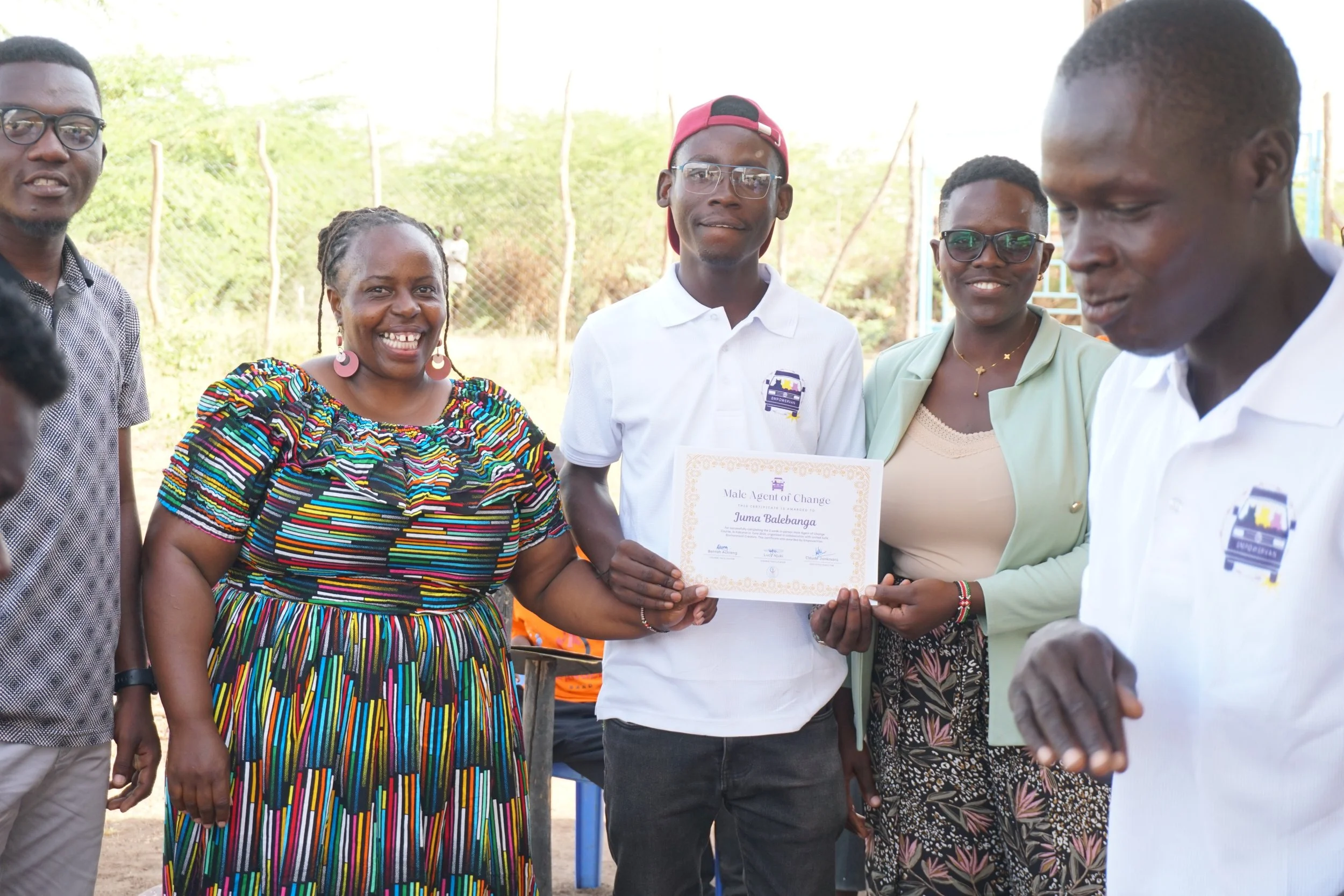
We train men as Male Agents of Change (MACs), supporting them to promote positive masculinity and become active participants in preventing GBV.
The programme creates space to examine harmful gender norms, promote positive masculinity and develop practical ways to prevent GBV, support survivors and promote non-violent relationships and communities. Men are engaged not simply as potential sources of risk, but as active partners in preventing violence.
-
The curriculum for the male-engagement and empowerment programme is adapted to the local context through extensive needs assessments and developed through collaboration with affected people living and working in Kakuma.
Our instructors in Kakuma are trained by internationally recognised ESD experts, with a trauma-sensitive and culturally responsive method. Through local partnerships, training and long-term mentorship, we invest in people who are already rooted in the community.
Our Impact
35
Community leaders trained
Women and men from Kakuma trained to lead violence prevention. 32 are active today.
18
ESD instructors
Displaced women trained to teach empowerment self-defense to other women and girls.
14
Male Agents of Change
Men trained to promote positive masculinity and prevent gender-based violence.
136h
Training per month
Hours of community-led training delivered every month in Kakuma.
595
People reached
368 men and 227 women took part in sessions in Kakuma from September to October 2026.
What’s happening now
Since graduating in June 2026, our instructors have been teaching in their own community. As of November 2026, 18 ESD Instructors run self-defense sessions for women and girls, and 14 Male Agents of Change are leading sessions where men discuss gender, power and violence prevention.
Our October field visit showed ESD Instructors teaching with more confidence than right after their training, and Male Agents of Change actively involving their participants. Mentorship and monthly meetings support their growth as instructors.
In order to facilitate the sessions in safe spaces within Kakuma, we are collaborating with United Safe Environment Creators (USEC) as our main partner and also run sessions at the spaces of other refugee-led organisations within Kakuma.
A severe water shortage currently makes it harder for girls to attend, as fetching water is mostly their task. Our team and people in the camp report that girls risk being attacked on the way to collect water. This makes the work of our instructors more important than ever.
Stories of Change
From our participants in the Training of Trainers in Kakuma Refugee Camp in 2026.
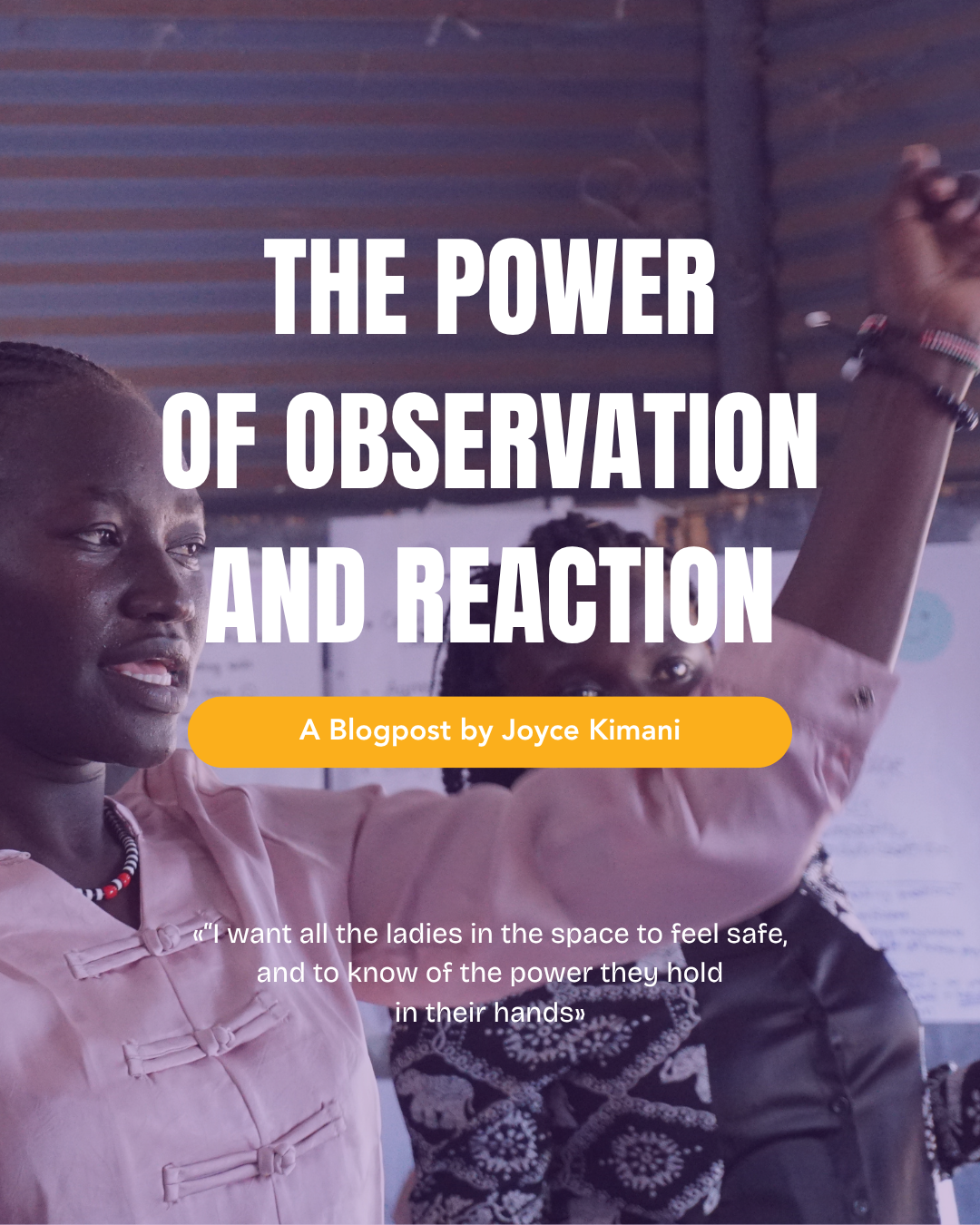
Chana’s story
From participant to instructorAfter participating in EmpowerVan’s ESD training, Chana encountered two men who pursued her with machetes. She remembered the skills she had learned, changed her route, ran towards safety and called for help. Today, Chana is an ESD instructor, passing those skills on to other women.
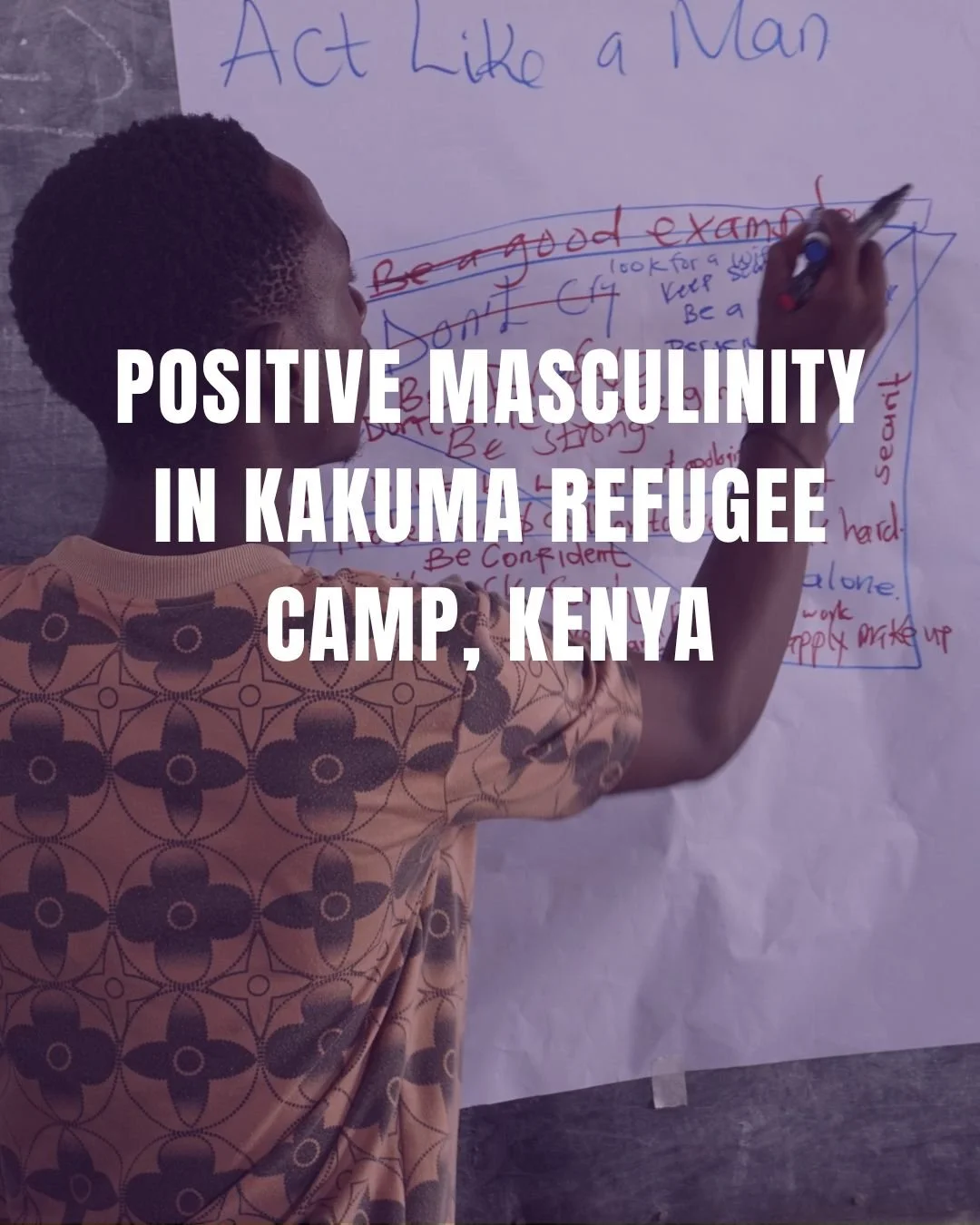
A Male Agent of Change
Changing attitudes towards GBVOne male participant of EmpowerVan’s training in Kakuma described how his understanding of GBV survivors had changed. He now supports survivors who choose to report violence and helps connect them with organisations providing support.
From Safety to Peacebuilding
Safety → Agency → Leadership → Collective Responsibility → Violence Prevention → Peace
EmpowerVan connects individual empowerment with community-level violence prevention. By strengthening women’s agency, engaging men as allies and supporting local leaders to take action, we work towards communities where people have greater capacity to prevent violence and build peaceful relationships.
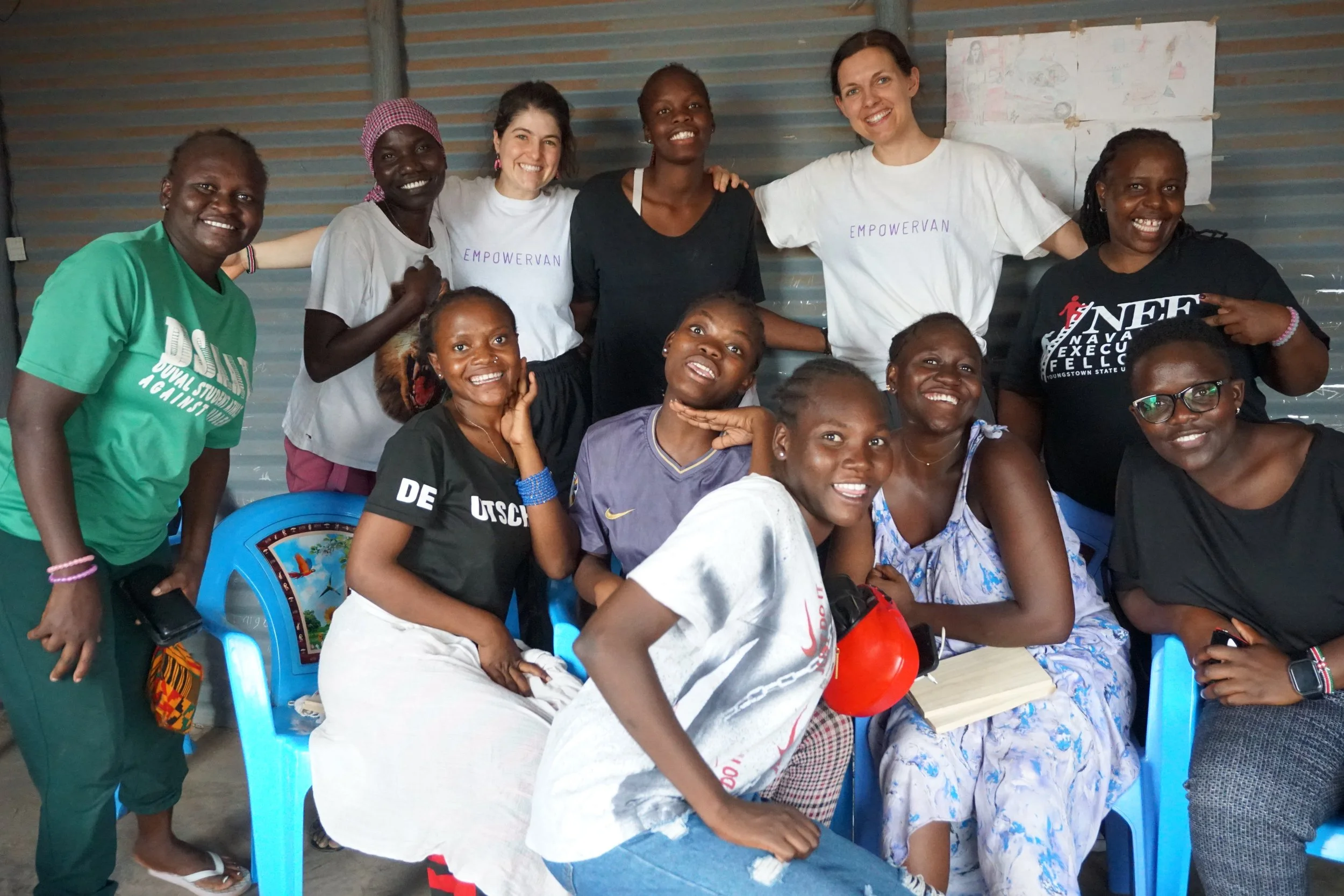
Implementing Partner Organisation
United Safe Environment Creators (USEC)
USEC is a refugee-led, non-profit community-based organization founded in 2015 in Kakuma Refugee Camp, Kenya, and dedicated to empowering refugees and marginalized groups through education, protection, livelihood development, and environmental sustainability. Registered under the Ministry of Labor, Social Security, and Services, USEC works to create safe, inclusive, and resilient communities by promoting access to quality education, strengthening child protection systems, supporting women and youth with entrepreneurship and vocational skills, and advancing environmental conservation. As an active member of the UNHCR EHAGL Regional Community-Based Protection Network and a partner in family reunification efforts through FRUN, USEC combines community-driven solutions, compassion, and collaborative action to ensure dignity, safety, and long-term resilience for displaced populations.
Supported by
Our work in Kakuma Refugee Camp is supported by the Association Femmes d’Europe.